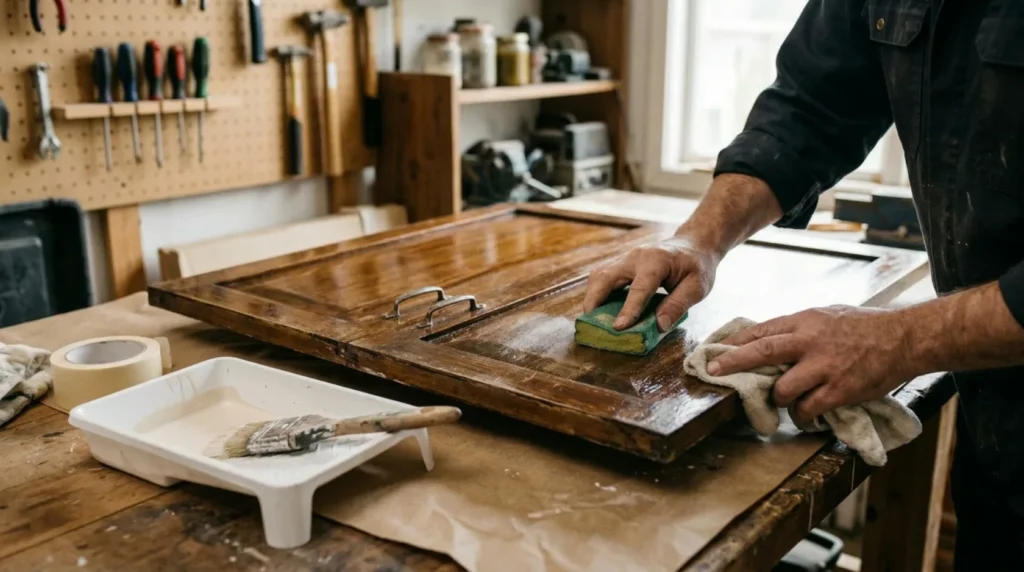
1 Prepare for safe work
Clean the object with a mild method, photograph the existing patina, and test the procedure on a hidden area first. Work with ventilation and save original parts and hardware.
⚠ Warning: Furniture of unknown age may have a lead coating. Do not sand it without a test and appropriate dust control.
2 Determine the pattern of the problem
Check that the old coating is firm and compatible; peeling, wax, and silicone require removal or special preparation.
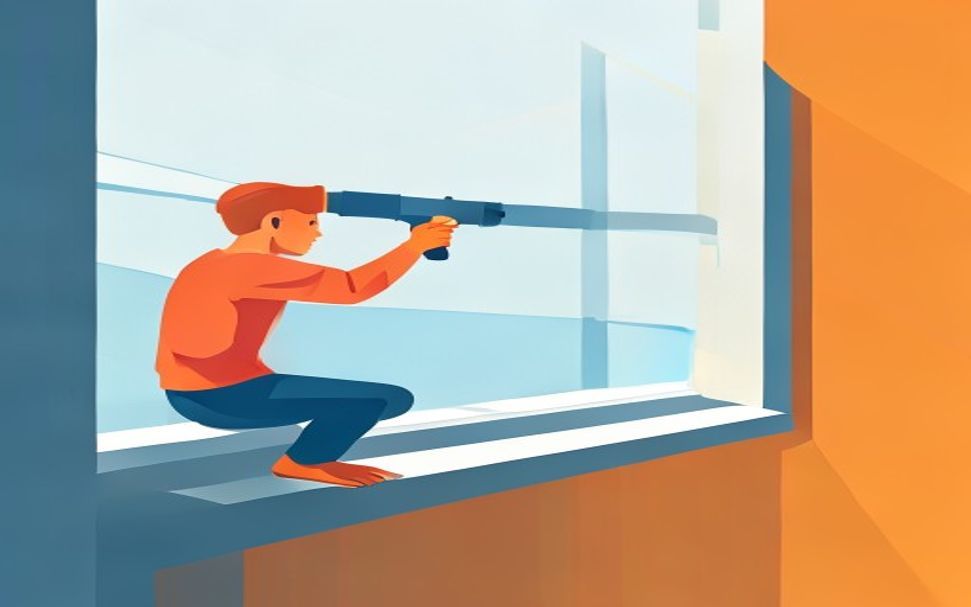
3 Check the most common cause
Thoroughly degrease, matte the entire surface slightly, and remove dust before applying the appropriate bonding primer.
4 Apply the appropriate solution
Apply multiple thin layers of quality paint, with intermediate drying and light sanding only if the system requires it.

? Tip: Photograph the initial state and change only one thing at a time so that you know which check really affected the result.
5 Test the result and set the boundary
Let the glue, filler, or coating cure completely, then inspect the joint in daylight and side light. The finish should be reversible or at least must not unnecessarily remove the original material.