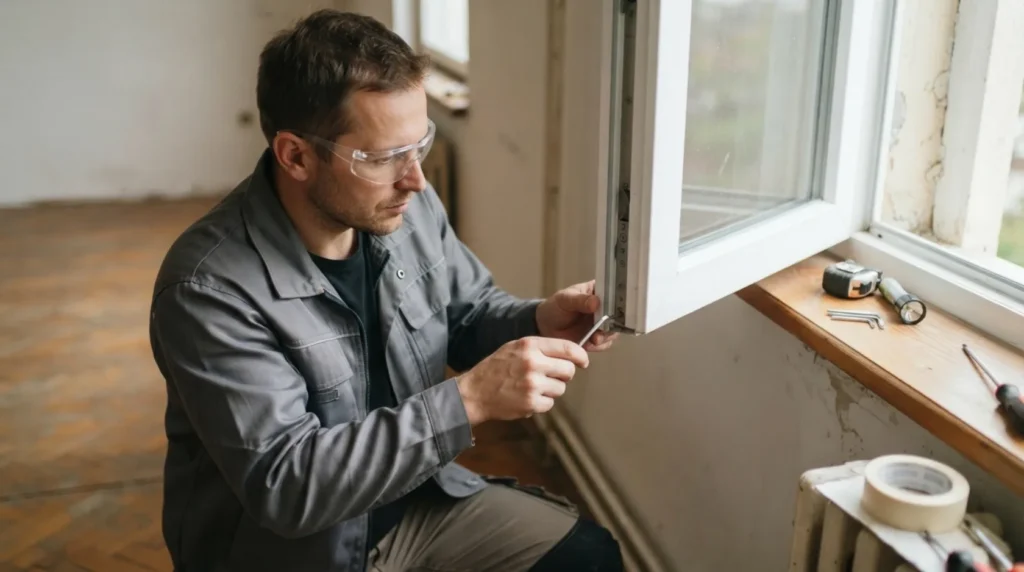
1 Prepare for safe work
Protect the floor and furniture, switch off hidden installations in the drilling or cutting zone, and verify the moisture and bearing capacity of the substrate. Wear dust protection and work on a stable platform.
⚠ Warning: A heavy or large sash can fall out of the hinge. If it is visibly lowered, cracked, or the hardware jams, call a window repair technician.
2 Determine the pattern of the problem
Clean the seals and perform a paper test around the entire perimeter to distinguish poor pressure from a damaged seal.
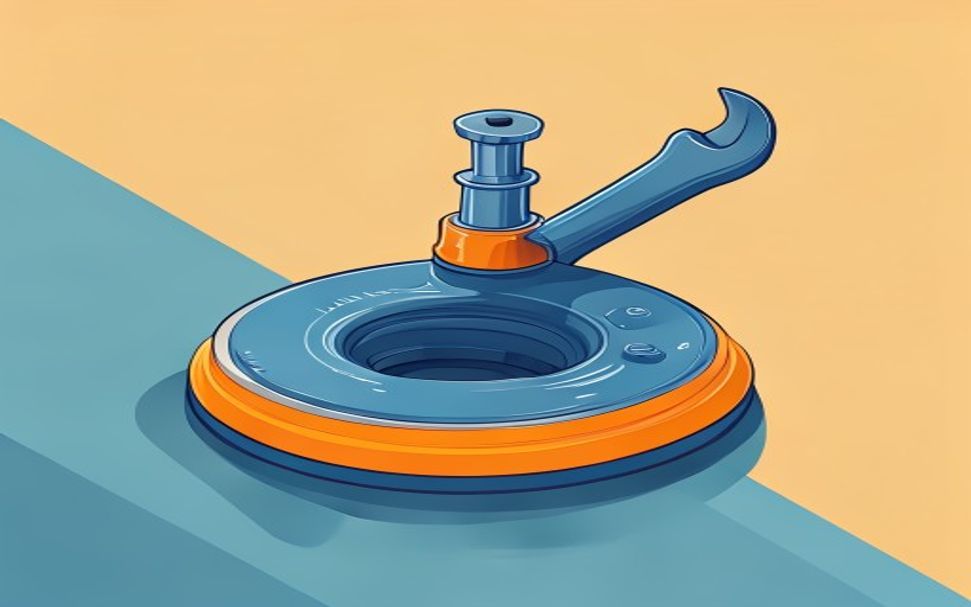
3 Check the most common cause
Check if the sash rubs and mark the position before making a minimal adjustment of the hinges with an appropriate hex key.
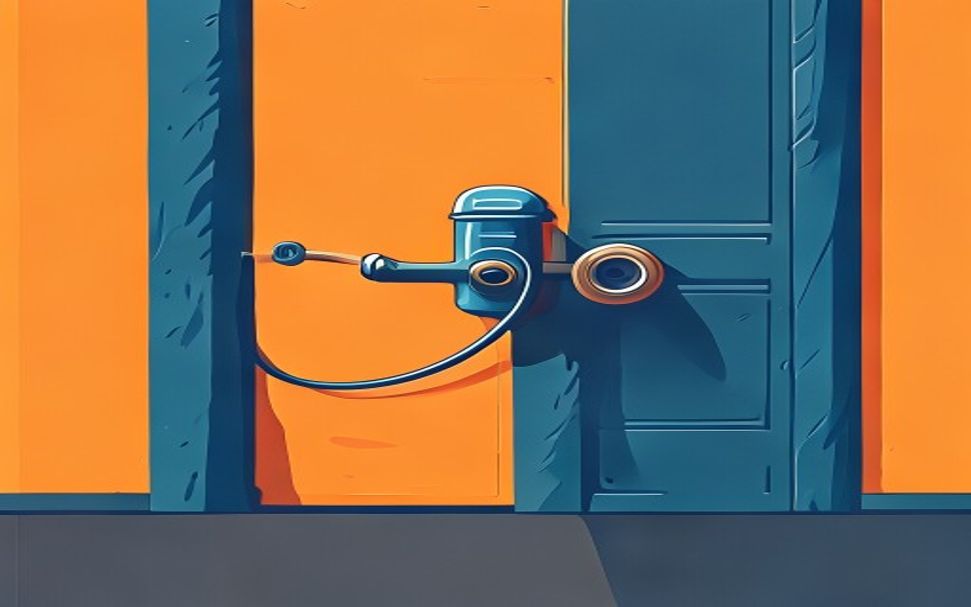
4 Apply the appropriate solution
Move the pressure cams equally and moderately; too strong all-year-round pressure deforms the seal and strains the hardware.
? Tip: Photograph the initial state and change only one thing at a time so that you know which check really affected the result.
5 Test the result and set the boundary
Leave the material to dry or cure for the full period from the declaration, then inspect alignment, adhesion, and cracks under side light. Do not cover active moisture or a structural problem with a top coat.