⚠ Safety note: This guide involves working with electricity. If you're not completely sure about every step, stop and call a licensed professional. Before you start, always switch off the power at the breaker or close the main water/gas valve.
1 Prepare for safe work
Turn off the corresponding fuse, mark it against accidental reactivation, and confirm the absence of voltage with a suitable two-pole tester before touching the conductors.
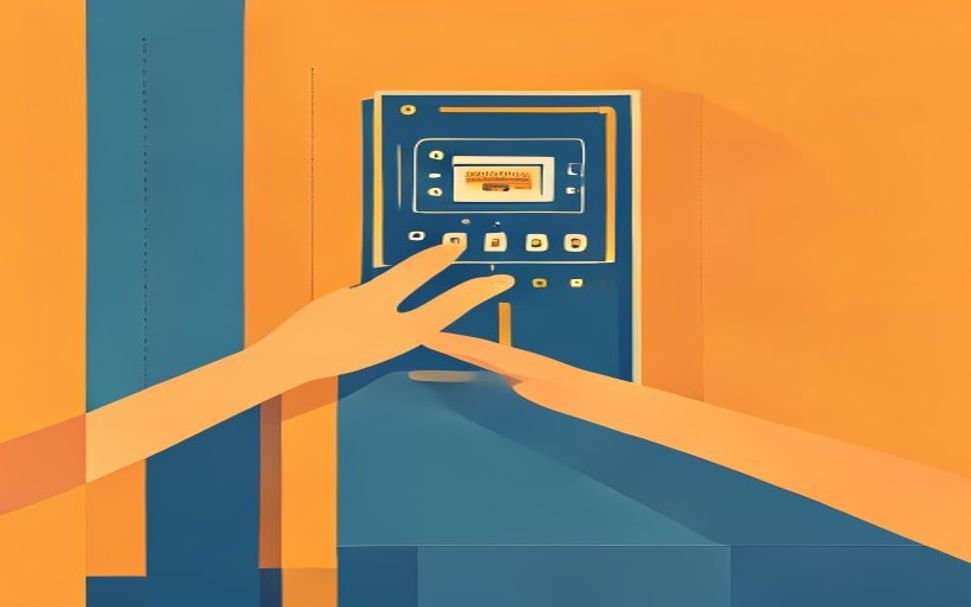
⚠ Warning: Mains voltage can be lethal. If you cannot reliably turn off and confirm the absence of voltage, if the conductor colors are unclear or the installation is damaged, do not continue alone.
2 Determine the condition and cause
Inspect the position of sockets and switches as cables usually run vertically or horizontally from them. Avoid pipe zones as well.
3 Perform the key check
Calibrate the detector according to the instructions on a known clean surface, then scan from multiple directions and mark a wider signal zone.
4 Do the repair or maintenance
A detector is not a guarantee, especially on a damp wall, mesh, or deep cable. If the path is not clear, change the drilling location.
? Tip: Photograph the initial state and change only one thing at a time. This makes it easier to determine what really solved the problem.
5 Test the result
Reinstall covers and protection before turning on the power. Test the function without touching exposed parts; heating, buzzing, sparking, or tripped protection require an electrician.
When to call a professional: If the job involves changes to the electrical panel, the main gas line, or load-bearing walls/beams — or if you're not sure how it will turn out — this is not a DIY task. Hire a licensed professional.