⚠ Safety note: This guide involves working with electricity. If you're not completely sure about every step, stop and call a licensed professional. Before you start, always switch off the power at the breaker or close the main water/gas valve.
1 Prepare a safe work area
Switch off the correct breaker, tag it against accidental switch-on, and confirm the absence of voltage with a suitable two-pole tester before touching the conductors.
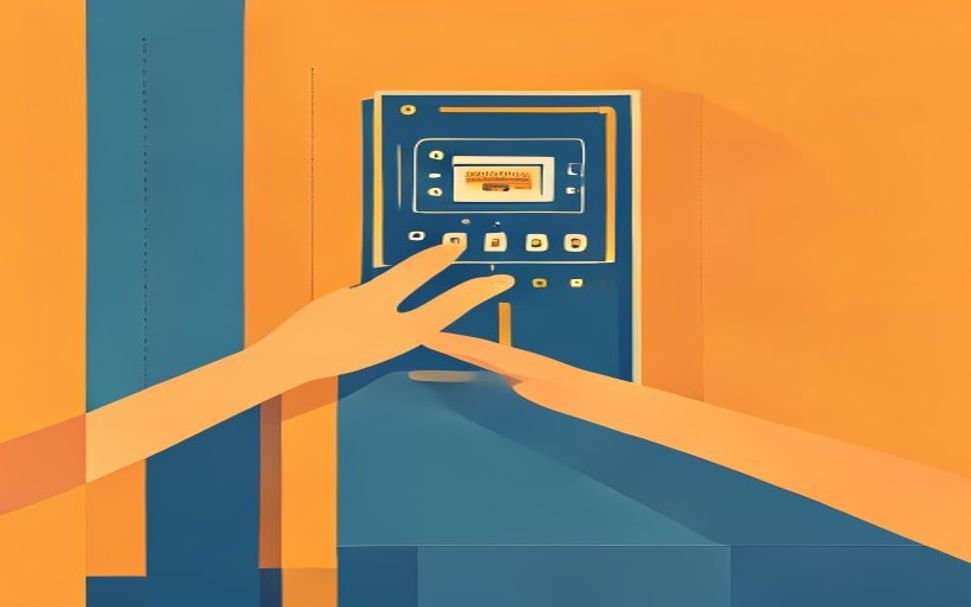
⚠ Warning: Mains voltage can be fatal. If you cannot reliably disconnect it and confirm the absence of voltage, if the conductor colors are unclear, or if the installation is damaged, do not continue on your own.
2 Determine the condition and cause
Add up the power of the devices and read the maximum current on the cable label. Heaters, tools, and large loads need a larger cross-section.
3 Carry out the key check
Take length, outdoor use, and the laying method into account. A coiled reel sheds heat less effectively and has a lower permitted load.
4 Carry out the repair or maintenance
Choose a cable with a protective conductor, an undamaged plug, and a rating for the working conditions. Unwind it completely under heavier loads.
? Tip: Take a photo of the starting state and change only one thing at a time. That makes it easier to see what actually fixed the problem.
5 Test the result
Put the covers and guards back before switching the power on. Test the function without touching exposed parts; heating, buzzing, sparking, or tripping the protection call for an electrician.
When to call a professional: If the job involves changes to the electrical panel, the main gas line, or load-bearing walls/beams — or if you're not sure how it will turn out — this is not a DIY task. Hire a licensed professional.