⚠ Safety note: This guide involves working with plumbing. If you're not completely sure about every step, stop and call a licensed professional. Before you start, always switch off the power at the breaker or close the main water/gas valve.
1 Prepare for safe work
Close the main or local valve, open the lowest faucet to relieve pressure, and protect the floor with a bucket and rags. If electricity is nearby, turn off the corresponding fuse.
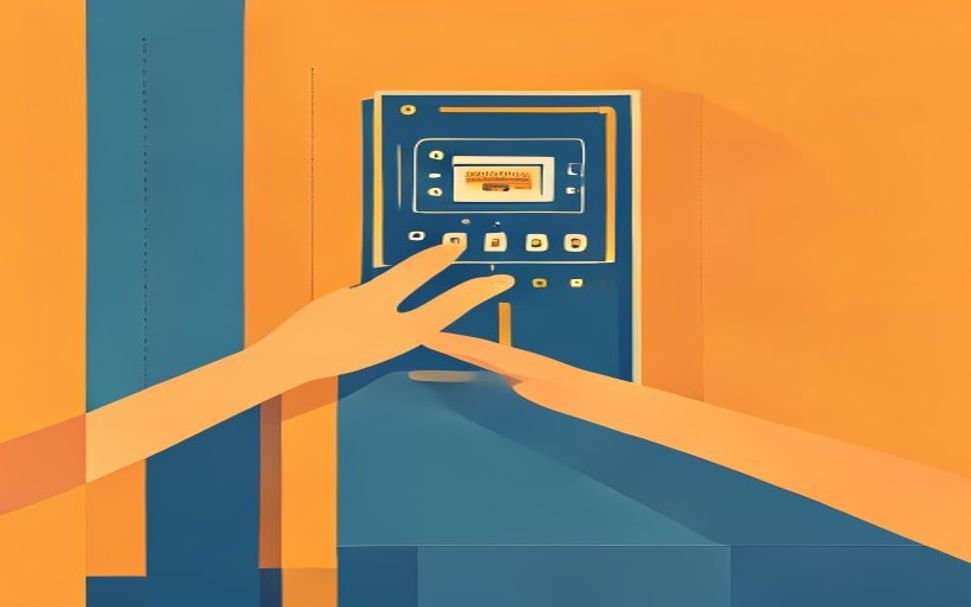
⚠ Warning: Do not work on a pipe under pressure or on a boiler connected to the electricity. A hidden leak, damaged main line, and repeatedly wet wall require a plumber.
2 Determine the condition and cause
Close the valve, check the thread, and use a hose of appropriate length and pressure. Do not connect two short hoses to each other.
3 Perform the key check
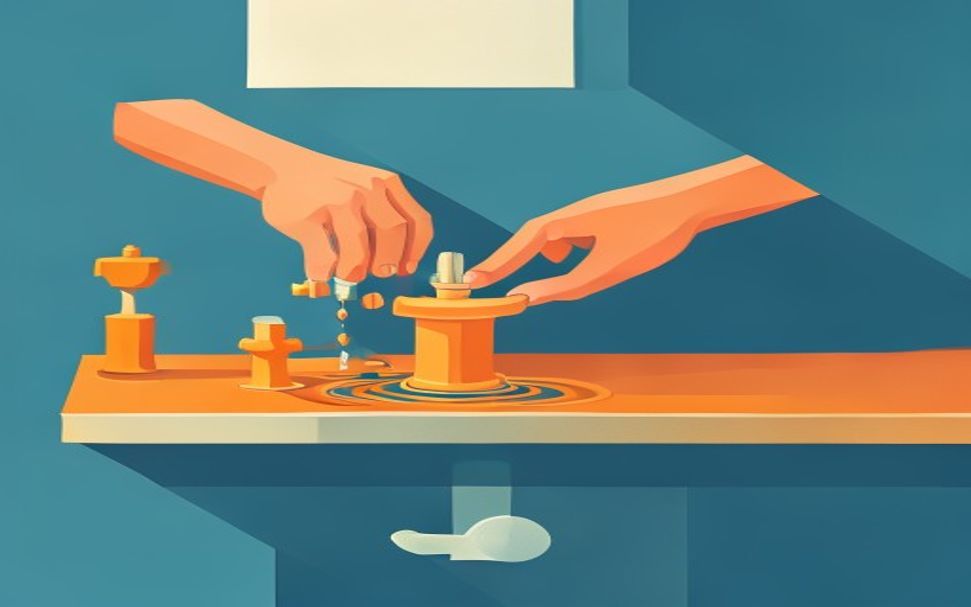
Place flat rubber gaskets in both nuts and tighten them by hand. Route the hose without twisting, pinching, or contact with sharp edges.
4 Do the repair or maintenance
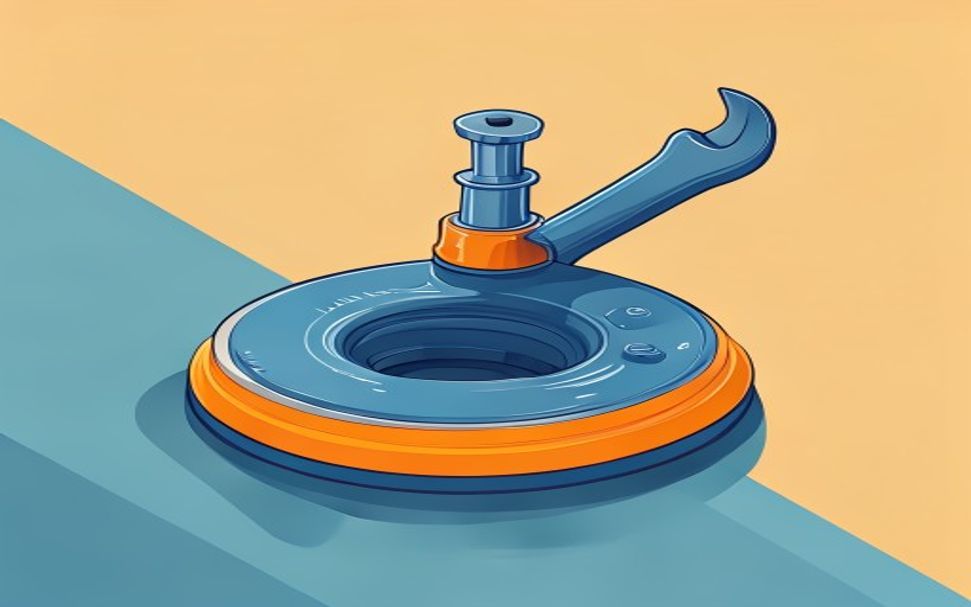
Slowly open the valve, wipe the connections, and check them with dry paper. After the first wash, repeat the inspection while the system is under pressure.
? Tip: Photograph the initial state and change only one thing at a time. This makes it easier to determine what really solved the problem.
5 Test the result
Slowly open the water and observe each joint for at least a few minutes, first without load and then at full flow. A wet trace, drop in pressure, or sewer smell means the connection needs to be re-examined.