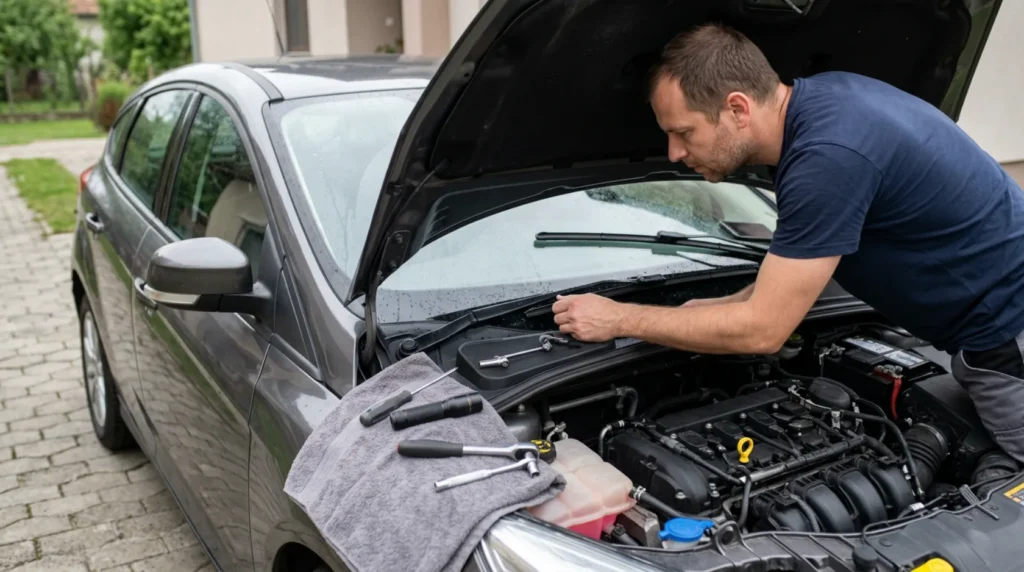
Wipers moving slowly can have a simple cause like dirt and heavy mechanism, but can also indicate weak voltage, a tired wiper motor or linkage sticking. The biggest mistake is testing them on dry glass and then overloading the system further. This guide helps you separate friction and mechanics from electrical problems.
You should be able to work safely around the wiper area and tell the difference between basic visual inspection and mechanism disassembly which already requires more experience. It's also useful to know that a weak battery or poor charging can slow things down even when mechanics aren't the main issue.
⚠ Safety note: This guide involves working with electricity. If you're not completely sure about every step, stop and call a licensed professional. Before you start, always switch off the power at the breaker or close the main water/gas valve.
1 First test wipers only on wet glass
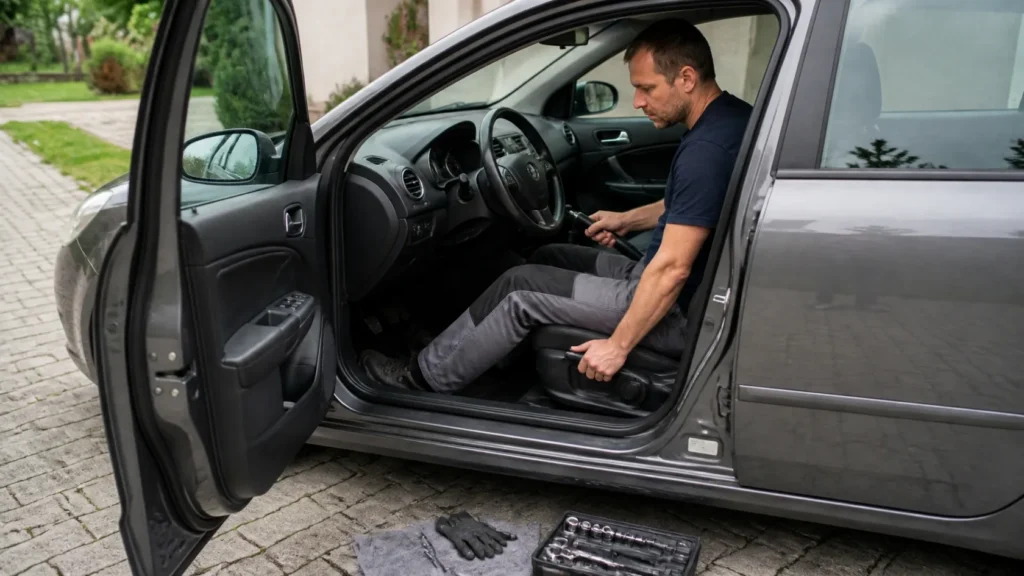
Wet the glass or use washers before checking operating speed. Wipers on dry glass create much greater resistance and easily fool you into thinking the problem is worse than it is. If they’re frozen in winter, free them first before each test.
2 Check if they’re slow at all speeds and in both directions
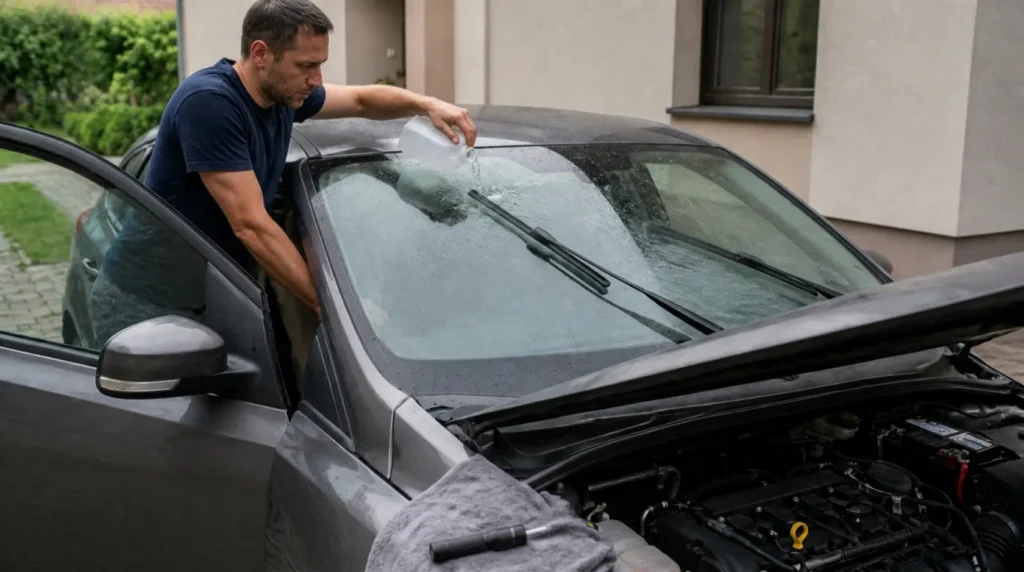
It’s important to notice if they slow down equally at all modes or if they struggle only occasionally, on one part of the stroke or when returning. These details help you tell the difference between an electrical power shortage and mechanical sticking. It’s not the same if they’re just sluggish and if they almost come to a stop at one spot.
3 Inspect shafts, linkages and the area under the plastic
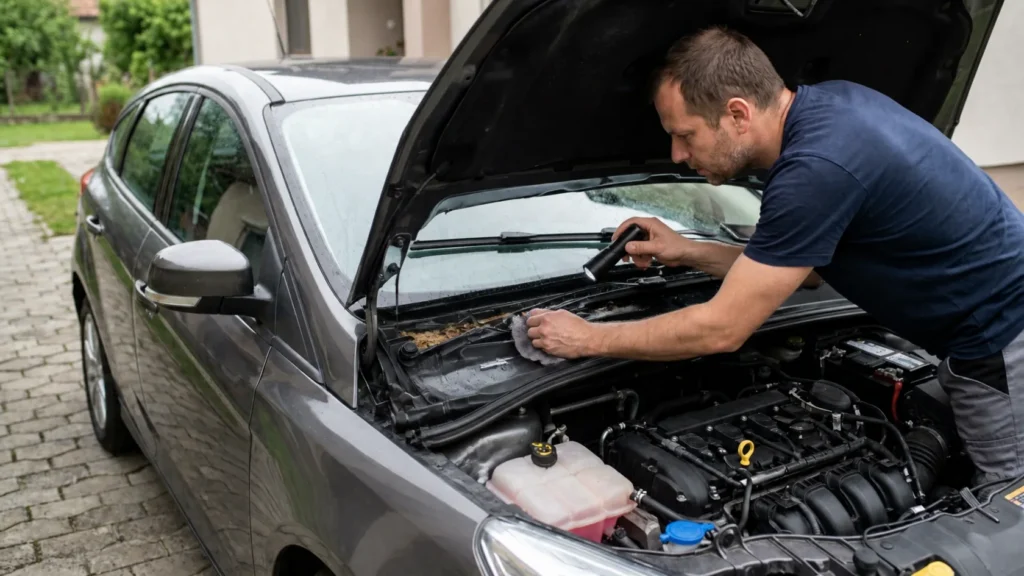
Leaves, dirt and old residue around the shafts and under the plastic trim can slow down the mechanism more than people expect. Look for signs of heavy wear, corrosion or unusual resistance when the system is off. If the mechanics are already stiff, the motor is just showing the consequence.
Warning: Don’t blindly lubricate the electric motor with universal sprays and don’t put your hands into the mechanism while there’s a chance it will activate. If deeper disassembly of linkages is needed, you’re beyond safe knowledge level.
4 Don’t forget to check voltage and overall power supply condition
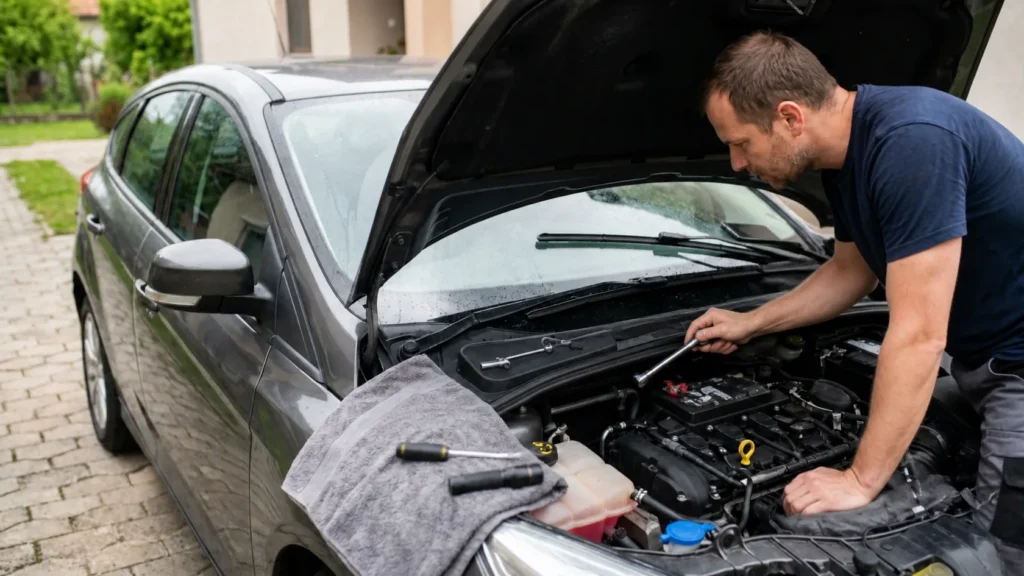
If the wipers seem sluggish alongside weak performance of other electrical consumers, suspicion also falls on the battery or charging. Not every slow operation is directly the wiper motor. With these symptoms, the vehicle’s broader electrical picture often matters a lot.
5 Make your final judgment only after running wet-glass cycles multiple times
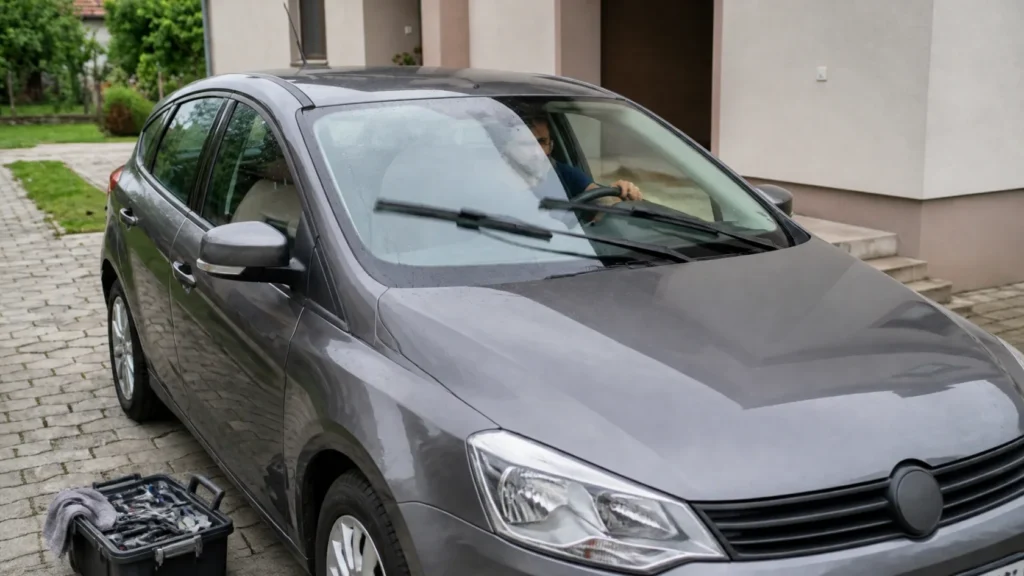
After cleaning and basic checking, let the wipers run several full cycles on wet glass and watch if they stay even or slow down again. Good results mean they’re not struggling, don’t hesitate and don’t sound like they’re fighting every pass. If they still work hard, you need to look deeper into the mechanism or motor.
When to call a professional: If the job involves changes to the electrical panel, the main gas line, or load-bearing walls/beams — or if you're not sure how it will turn out — this is not a DIY task. Hire a licensed professional.
Final check
- Wipers were assessed on wet glass, not dry or frozen.
- It was noted if the slowdown follows the entire stroke or only certain part of movement.
- The shaft area, linkages and possible mechanical resistance under the plastic were inspected.
- Through multiple cycles of operation, you can see if the problem was friction, power supply or leaves doubt about the motor.
Common problems
- Wipers look slow only when running on dry glass.
- Such a test creates artificially high resistance and easily misleads judgment. The real conclusion about operating speed comes from testing on wet glass.
- The motor is immediately blamed without inspecting shafts and linkages.
- Very often the mechanics become stiff first, and the motor just shows the consequence. That's why inspection for friction and sticking is not skipped.
- Wipers are sluggish along with other electrical consumers, but this is ignored.
- Then the cause can be a wider power supply problem, not just the wipers. Battery and charging are worth considering before concluding about the motor.