⚠ Safety note: This guide involves working with electricity. If you're not completely sure about every step, stop and call a licensed professional. Before you start, always switch off the power at the breaker or close the main water/gas valve.
1 Prepare safe work
Disconnect the device from the outlet, close the water supply if present, and wait for hot parts to cool. Prepare a dry, well-lit work surface and the user manual for your exact model.
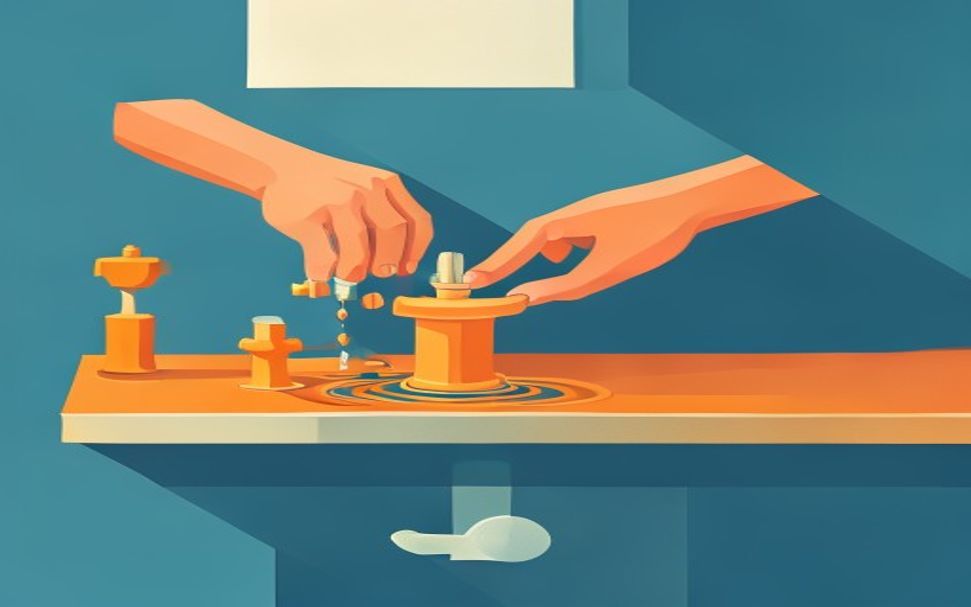
⚠ Warning: A cracked glass surface is not safe to use. Disconnect power and call the service.
2 Check the cookware with a magnet
The bottom must attract a magnet and have a diameter within the zone’s range. A thin, warped, or too-small bottom may occasionally disappear from the sensor.
3 Clean and dry the zone and controls
Grease, water, or an object over the touch controls can block operation. Clean the cool cooktop and dry it completely.
4 Reset the cooktop according to instructions
Turn it off using the control, then protect it only as long as the manufacturer specifies. Write down any error code if one appears after reset.
? Tip: Photograph the initial state and change only one thing at a time. That way you’ll know which check actually solved the problem.
5 Assemble, test, and set boundaries
Return only the parts you safely removed, plug in the device, and run a brief supervised test. If the symptom returns, a burning smell appears, leaking occurs, or the breaker trips, disconnect the device and call the service.
When to call a professional: If the job involves changes to the electrical panel, the main gas line, or load-bearing walls/beams — or if you're not sure how it will turn out — this is not a DIY task. Hire a licensed professional.